
Everyone comes with a map.
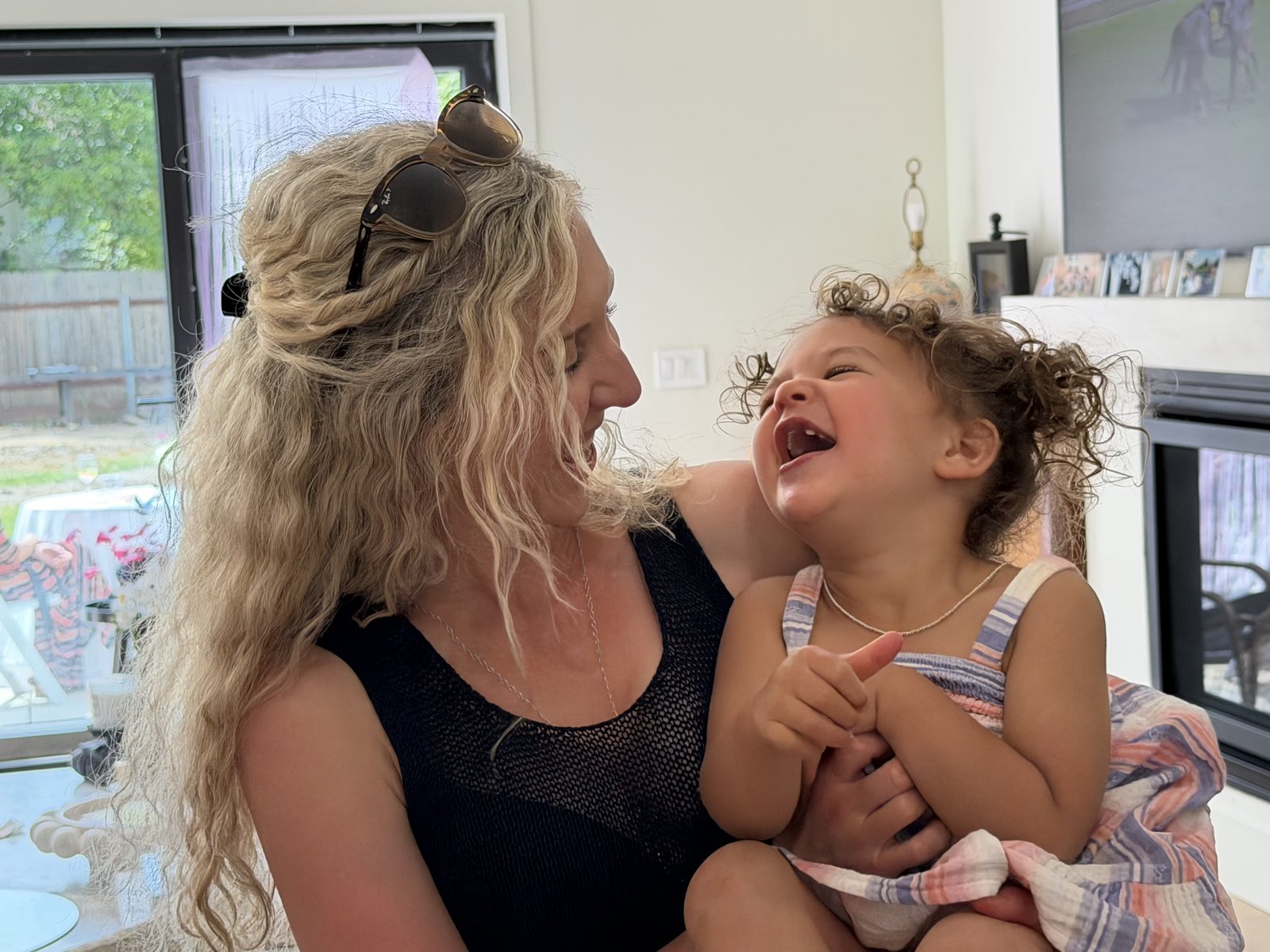
My daughter's was the first one I made.
Andie was born in March 2024. Her birth was traumatic, and her sensitivity was obvious within weeks — to sound, light, transitions, the mood of whoever was holding her.
I wanted to understand her. Not in the way every parent says that, but specifically: what does this child's nervous system need? What overwhelms her? What lights her up? And how do the adults around her show up in a way that's actually right for who she is?
So I pulled her birth chart and ran her Human Design. Then I wrote it into one plain-language document about who she is, for the people who care for her. Not advice, not a personality test, not a system you have to believe in — a description.
That document has since become something much bigger — seven frameworks, synthesized. But the question behind it hasn't changed.
It changed how every adult in her life showed up for her.
Then I built one for a friend's son.
She was reading the line about him needing enclosed, cozy, private spaces when she looked up and saw him sitting inside his cave-tent. His favorite place in the house. She had never told me that.
So I built more. Every response was a version of the same sentence: this is exactly my child, how did you know that?
Then I made one for myself.
Reading my own was harder. It said things I'd spent thirty years explaining as personal failings.
That a standard classroom was never going to suit how I learn. That I need more rest than most people, and that pushing through costs me the thing I'm actually good at. That I don't have clarity in the moment — my real answer arrives the next morning, after the feeling has moved through.
None of it was new information. I'd lived every bit of it. What was new was seeing it written as a description instead of a diagnosis.
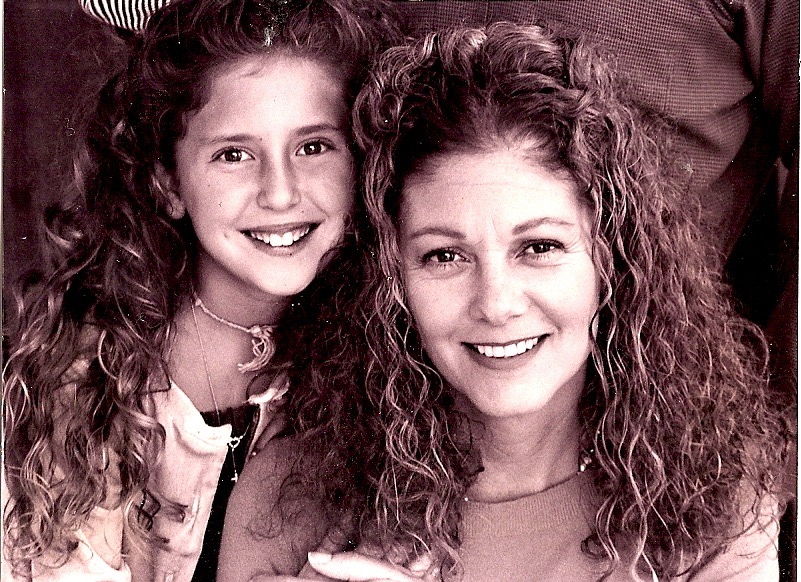
My mother did everything right with the information she had. She just didn't have this.
I've been making maps ever since.
The systems we live inside — schools, workplaces, schedules, expectations — were not designed for everyone. They were built by a specific kind of person, for a specific kind of person. High output. Consistent energy. Productivity as identity. Feelings managed privately, or not at all.
And for the people built that way, the systems work. They were made to.
But they weren't made for the child who feels everything in a room before anyone says a word. They weren't made for the kid whose body was never going to sit still for eight hours. They weren't made for the child who shuts down under pressure, or who comes alive at ten o'clock at night, or who needs to know why before they can do anything.
Those children have spent generations being told they are the problem. Too sensitive. Too slow. Too much. Not enough.
They were never given their map. They were given someone else's — and told it was the only one.
This is for every child who was never the problem. And for every adult who was that child.